
Curated from History.com | Read the full article here ⇢ How Americans Started Clipping Coupons
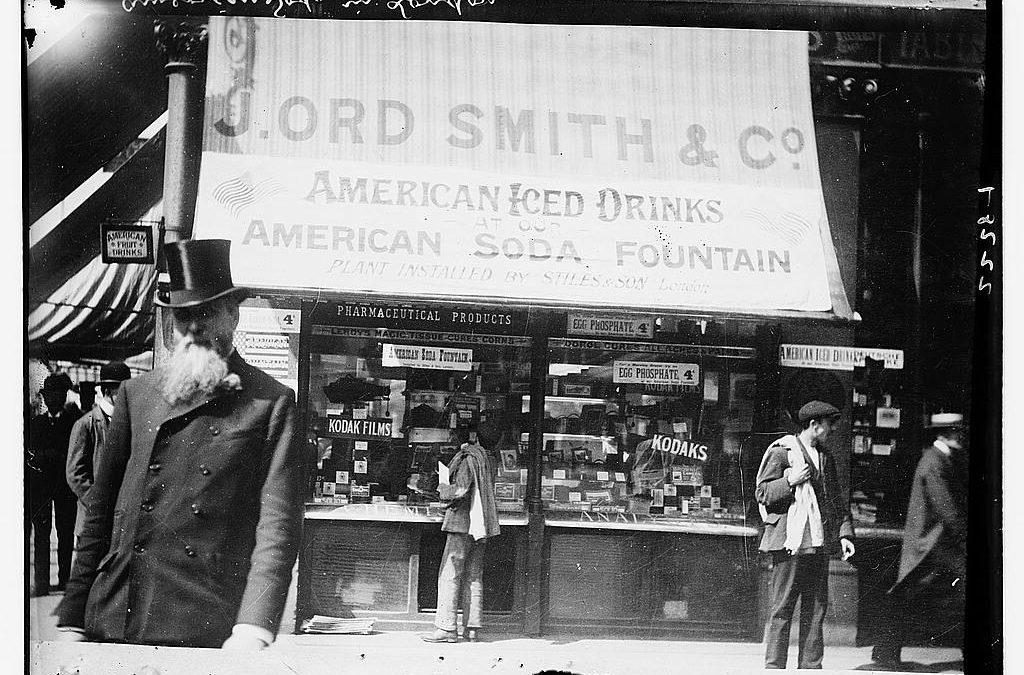
Coca-Cola first offered a free-glass voucher that helped launch its brand nationwide in 1877. During the Great Depression, couponing became
a lifeline for families trying to stretch small budgets, and it’s remained a fixture of U.S. shopping culture ever since. By the 1970s, as supermarkets expanded and barcode scanning simplified redemption, couponing had transformed into a powerful marketing tool connecting brands and buyers.
Coupons have been part of American life since 1887.
photo credit: adbranch.com

Today, digital discounts dominate—but paper coupons still matter. Despite changing technology, Americans continue to value the sense of savings and trust that tangible offers bring. From mailers to mobile, coupons remain symbols of both smart spending and community connection.
Research shows that 91% of Americans have used a coupon, proving that the excitement of a deal—first sparked more than a century ago—hasn’t faded
Just as coupons once brought hope during the Depression,
they still drive real value in today’s economy—especially when
printed, delivered, & opened right at your neighbors’ homes.
Key Takeaways:
- The First Coupon – Coca-Cola’s 1887 free-drink offer helped define modern marketing.
- The Great Depression boom – Coupons provided real relief during hard times and built lifelong habits.
- Technology evolves, savings stay – Screens come and go, but print savings never lose their value—or their place at our family’s kitchen table.
- Coupons + Local Deals Endure – Over 90% of Americans still use them, combining tradition with modern convenience.
Why it Matters
for Town Money Saver & Local Advertisers
We operate where print’s strengths are clearest: local, passion-driven communities.
Couponing has always been about connection—between brands and buyers, savings and satisfaction. Town Money Saver carries that legacy forward by helping local businesses reach their neighbors through trusted, tangible offers that deliver measurable results. Just as coupons once brought hope during the Depression, they still drive real value in today’s economy—especially when printed, delivered, and opened right at home.
Use print to spark the same excitement that’s driven coupon clipping for generations—then extend that connection with digital tools.
Bring these insights to life—talk with your local TMS rep to learn more & get started. They’re ready to help!
All rights to the original content remain with the original publisher.
Read the full article here: How Americans Started Clipping Coupons